Sourcing Promotional Toys & Merchandise in Southeast Asia (2026 Guide)
Sourcing Promotional Toys and Merchandise in Southeast Asia: A Buyer's Guide for Campaign-Driven Production
“A campaign toy that ships two weeks late doesn't get a second flight. It gets pulled from the media plan.”
Key Takeaways
MOQ on a promotional toy is set by tooling amortization, not factory goodwill. No-tool or low-tool categories such as plush, decorated blanks, and resin or vinyl figures support genuinely short runs; new custom injection tooling still needs volume to make commercial sense.
The CPSIA tracking label requirement applies to every children's product sold in the US regardless of run size. A 3,000-unit convention giveaway carries the same labeling obligation as a 300,000-unit retail program, and there is no small-batch exemption.
Indonesia currently sits in the lower 10% tier of the July 2026 Section 301 forced-labor tariff action, while Vietnam and Thailand sit in the 12.5% tier. That changes the landed-cost comparison between the three countries, even though it says nothing about which one actually fits a given product or timeline.
A Different Sourcing Problem Than a Core Toy Program
Marketing and brand activation teams end up sourcing toys more often than most of them expect: a QSR-style meal premium, a convention-exclusive figure, a retail-exclusive plush tied to a movie release, a trade show giveaway carrying a client's logo. The product looks like a toy. The buying pattern does not look like toy sourcing.
A retail toy program is built around a buy plan, a season, and volume that repeats. A promotional program is built around a media calendar, a single activation window, and a run that typically does not repeat at the same volume again. The deadline is fixed by the campaign launch date, not by how long the factory needs. The design usually carries a license, a trademark, or client branding that someone else controls. And the volume is often a fraction of what a standard retail toy order would need to justify the same tooling.
Treating this like a standard toy sourcing project is where most of the friction shows up: a factory quotes an MOQ built around its retail customers, a licensor approval step gets discovered two weeks before the ship date instead of planned for at the start, or a compliance requirement that "small runs don't need to worry about" turns out to apply anyway. This guide works through the four places that friction actually happens: minimum order quantities, IP and brand compliance, lead time against a fixed calendar, and how Vietnam, Thailand, and Indonesia compare for this specific kind of work. Generic toy supply chain solutions built for retail replenishment do not map cleanly onto a six-week campaign giveaway, and the sourcing approach has to account for that from the brief stage, not after the first quote comes back.
MOQs for Short-Run Promotional Toys: What Actually Sets the Minimum
The minimum order quantity on a promotional toy is set by whichever cost the factory cannot spread thinly across a short run. For most items, that cost is tooling.
A new custom injection mold represents a fixed cost that has to be amortized across the units it produces. On a 50,000-unit retail order, that cost disappears into the per-unit price. On a 3,000-unit convention run, the same tooling cost either makes the per-unit price uneconomical or forces the factory to push the minimum up until it isn't. That is the real ceiling behind most MOQ quotes, not the factory being unwilling to work with a smaller brand.
A few categories sit outside that constraint and are worth knowing before a campaign brief goes out for quotes:
Plush and soft goods
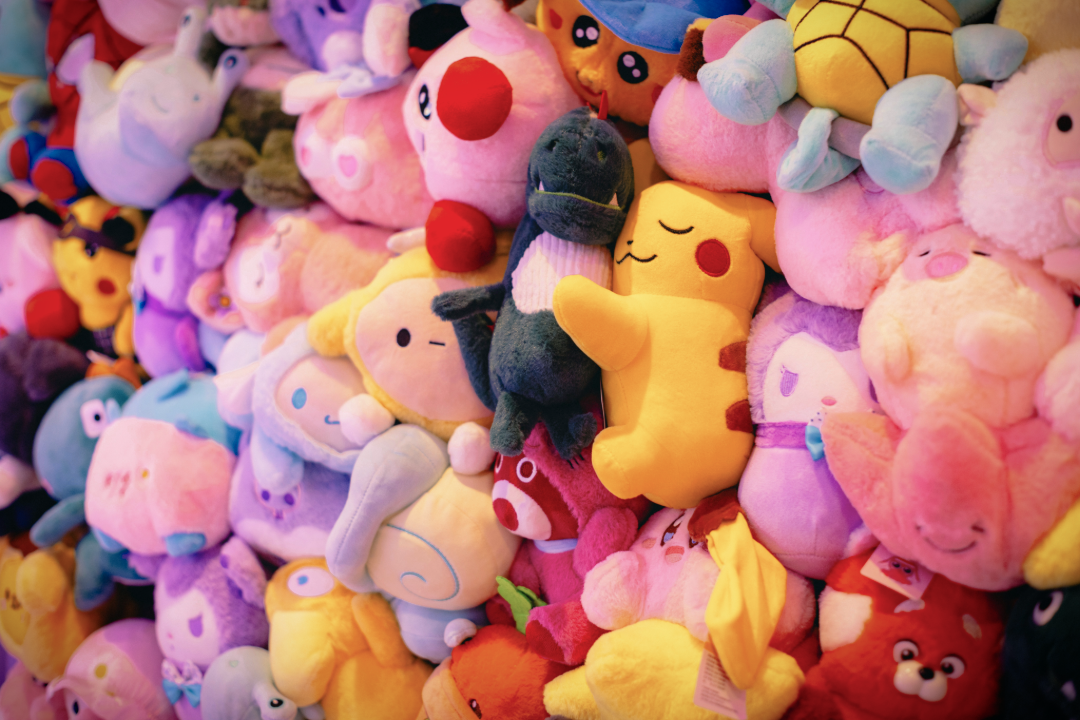
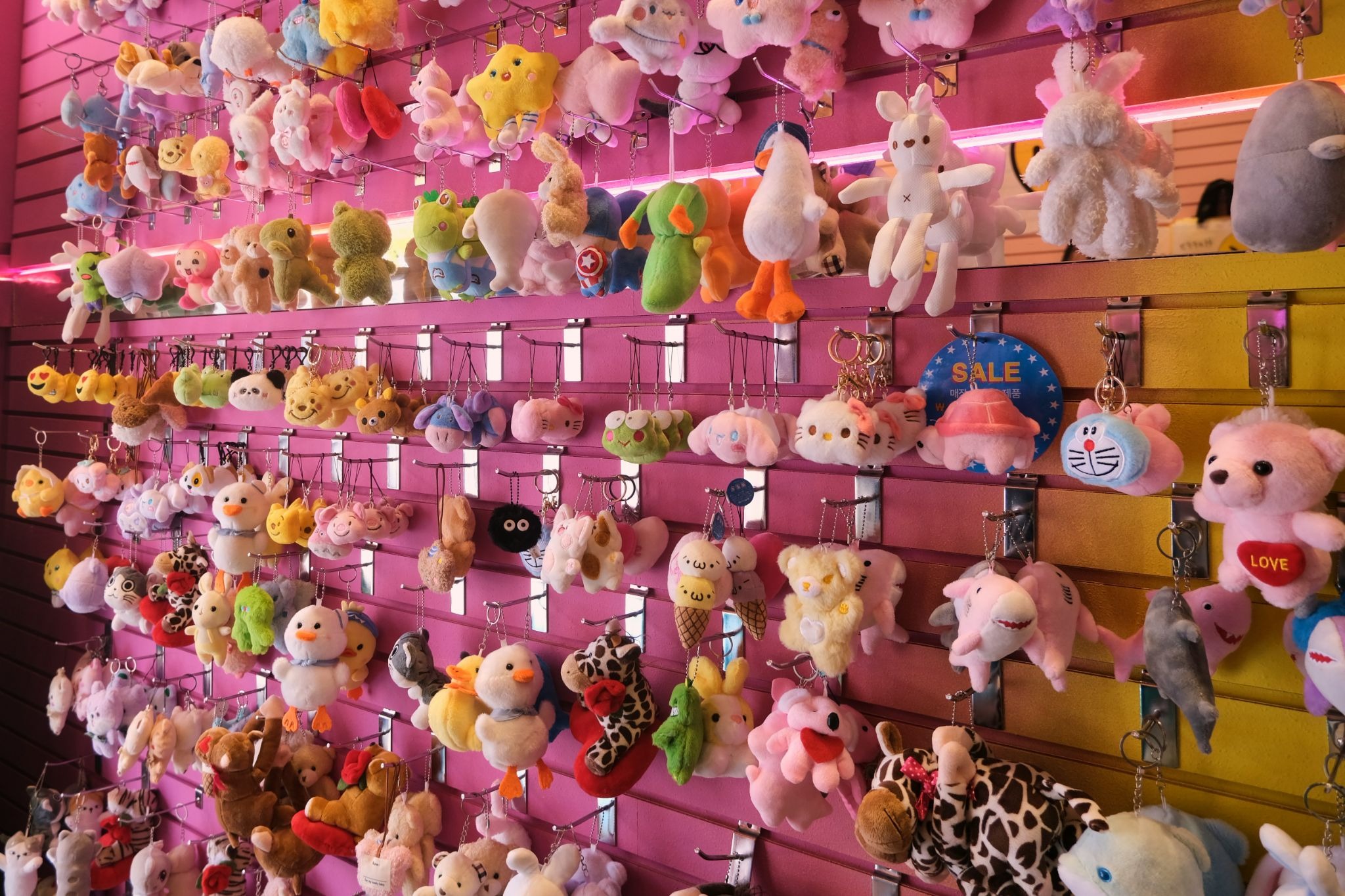
Cutting and sewing don't require dedicated tooling in the same way molded plastic does, which is why plush premiums remain one of the more flexible categories for short, campaign-sized runs. The tradeoffs specific to plush, including subcontracting risk on compressed timelines, are covered in our guide to vetting a Vietnam plush toy factory.
Decorated blanks and existing tooling
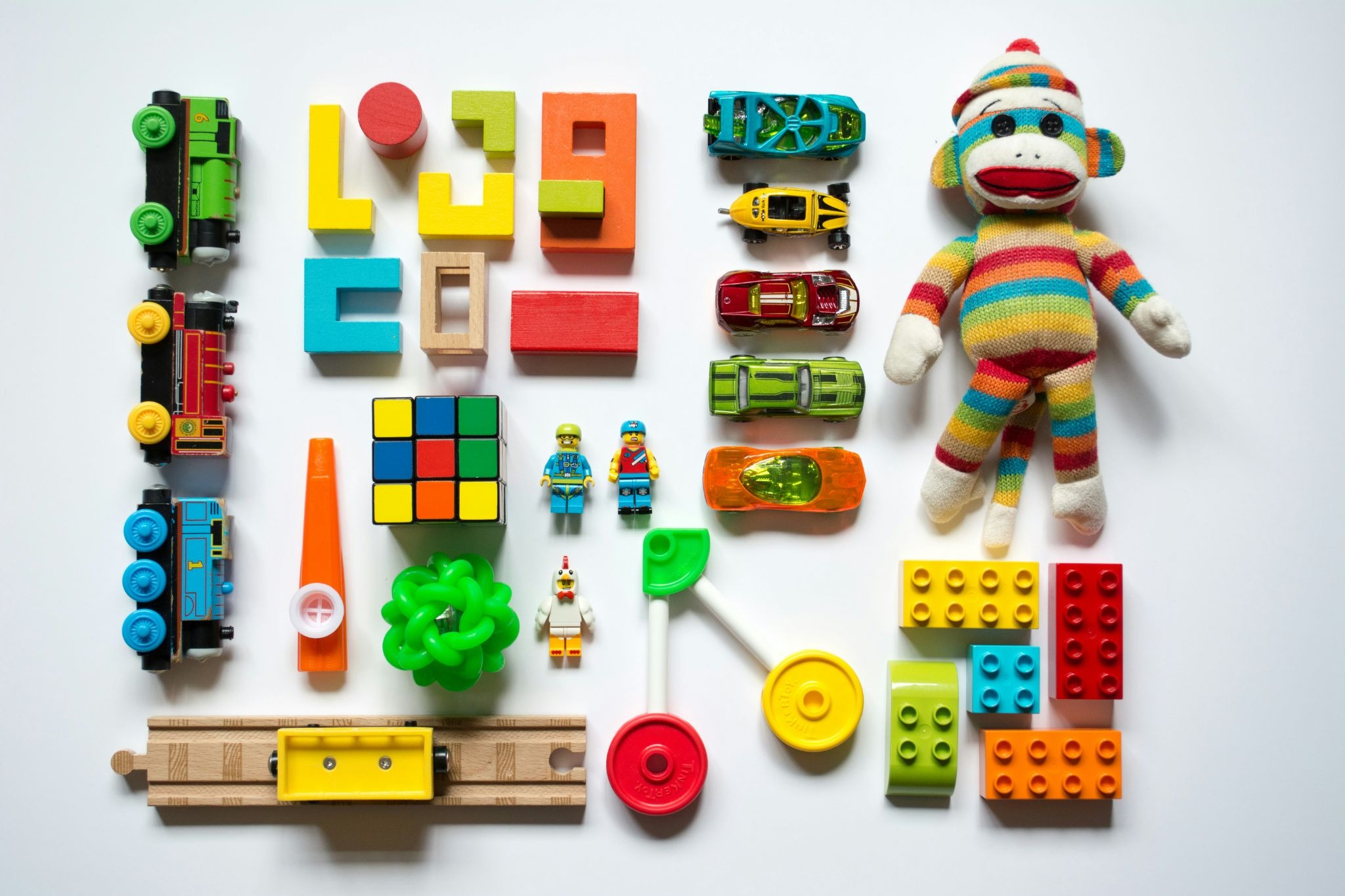
Applying a new print, pad-print logo, or color variant to an existing mold is far cheaper than cutting new tooling, and some toy manufacturers in Asia that serve the promotional segment keep a library of generic blanks specifically for this reason. The limitation is that the base shape is fixed. It works for a licensed color-way or logo placement; it does not work if the brief calls for a distinctive sculpt.
Resin, vinyl, and small-batch figures
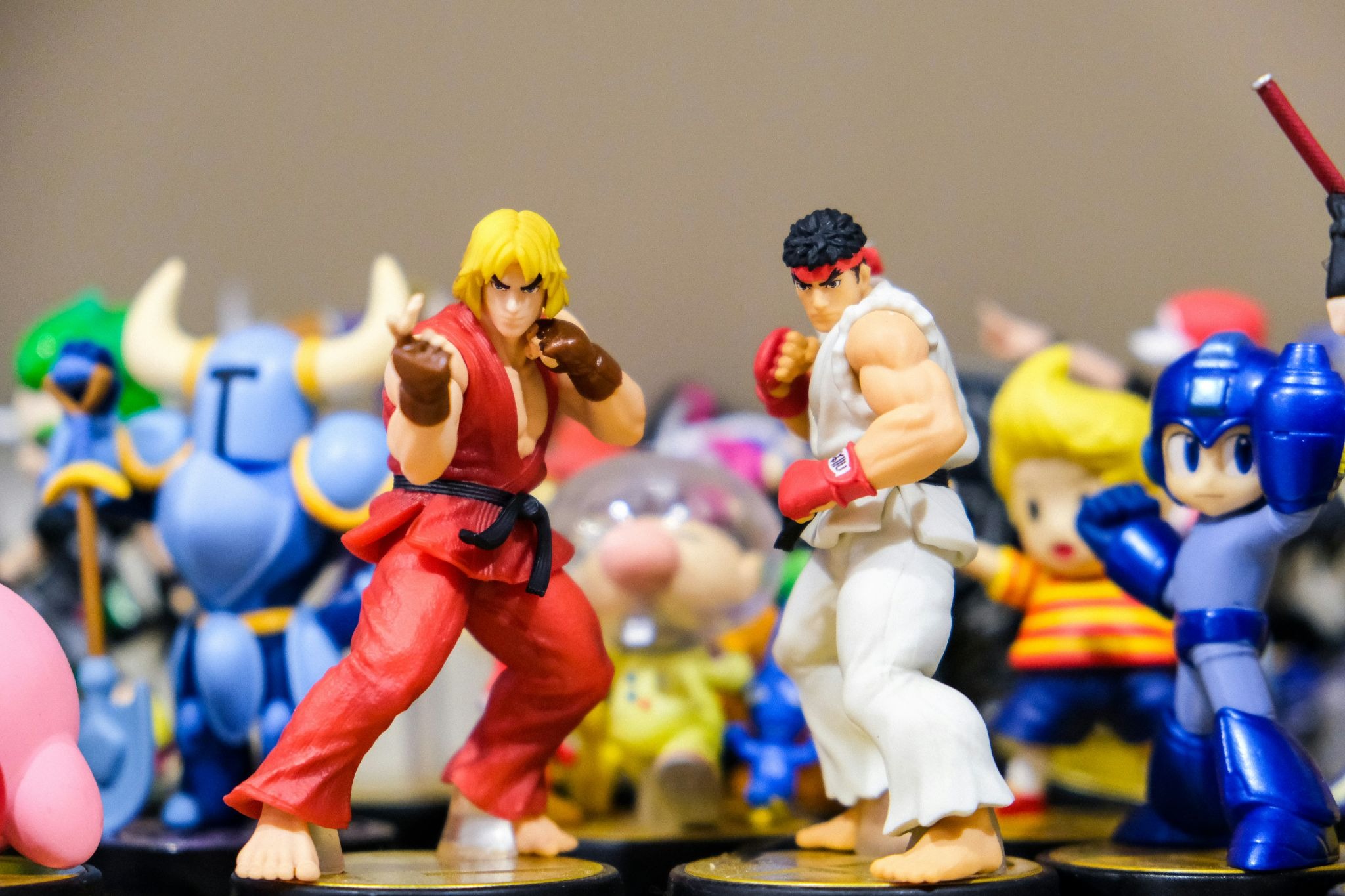
Convention exclusives and collectible-style retail exclusives are often produced through processes suited to smaller runs than standard injection molding, which is part of why this segment behaves differently from mainstream toy manufacturing. Our guide to sourcing cosplay costumes and collectibles and Vietnam for licensed gaming collectibles both go into this in more detail.
Printed and paper-based premiums
Where the format supports it, printed or card-based giveaways carry close to no tooling cost at all, which is why they remain a default fallback when a campaign timeline or budget can't support anything molded.
None of this removes the need for ordinary factory vetting. A factory that advertises flexible MOQs for promotional work is a different commercial profile than a factory built for large retail programs, and the usual questions about registration, real capacity, and subcontracting history still apply. Our factory vetting red flags checklist is written for toy sourcing generally, but every point on it holds for a promotional supplier working a tight timeline, arguably more so, since a short run gives less room to recover from a mid-production problem.
We see this pattern often with marketing and brand teams, and it calls for a different playbook than a standard toy program. We treat these programs on their own terms, matching the product and timeline to the right factory instead of defaulting to whichever one's already in the mix. That's the thinking behind how Play Trail works with clients. Let's get in touch to discuss the possibilities of your next project.
IP and Brand Compliance: What Changes When the Toy Isn't Your Own Design
A promotional toy almost always carries IP that belongs to someone other than the company placing the order: a studio's character, a sports league's logo, a client's brand mark, a game publisher's artwork. That adds a compliance layer on top of standard toy safety requirements, and it is the layer most likely to blow a campaign timeline if it's treated as a formality.
Licensor approval usually gates the factory choice, not just the design
Many licensing agreements name or restrict which manufacturing facilities can produce a licensed item, and switching to an unapproved factory partway through a program, even to solve a genuine capacity problem, can itself be a breach of the license terms. Large licensors commonly run their own factory-approval and monitoring programs precisely because the IP owner's exposure runs through the entire supply chain, not just the point of sale. Confirming which factories are already approved, and how long a new-factory approval realistically takes, needs to happen before a production timeline is committed to anyone, not after a factory has already been selected on price. This is one of the risks we cover in more detail in IP risk for licensed toy brands.
Retailers and agencies often add their own layer on top
A retail-exclusive or QSR-style program frequently requires proof of licensor authorization, and sometimes insurance or indemnification documentation, before the retailer or brand's legal team will sign off on the SKU at all. This paperwork takes time to assemble and is easy to underestimate when a creative team is focused on the artwork approval instead.
The CPSIA tracking label requirement applies regardless of run size
Under the US Consumer Product Safety Improvement Act, every children's product sold in the US, meaning any item intended or generally recognized as suitable for children 12 and under, must carry a permanent tracking label identifying the manufacturer, production location and date, and batch or run number. There is no exemption for a one-time promotional run or a small convention giveaway. The practical risk of skipping it isn't just a compliance gap: without batch-level traceability, a quality issue discovered after the fact can force a recall of every unit ever produced under that design, rather than the specific run that had the problem. This connects directly to broader toy packaging design and safety regulations that apply across Southeast Asian production regardless of order size.
Subcontracting risk is higher on rush timelines, not lower
A factory under pressure to hit a fixed campaign date has more incentive to quietly push overflow to a second workshop, and a licensed product moving through an unapproved subcontractor is both a quality risk and a contract breach. Country-of-origin documentation matters here too, particularly given the tariff differences discussed below. Our coverage of supplier ownership and subcontracting disclosure was written for tariff exposure, but the same documentation trail is exactly what a licensor or retailer's compliance team will ask for if a licensed campaign toy gets questioned at customs or at retail audit.
This is exactly where Play Trail can help. Our sourcing and supply chain management service keeps licensor approval, factory qualification, and compliance documentation moving in step, so your promotional program stays on schedule.
Lead Time Realities When the Calendar Is Set by a Marketing Plan
The honest starting point is that the campaign date rarely moves, so the sourcing plan has to work backward from it rather than forward from when the factory search starts.
In our experience, the step most likely to eat the runway isn't manufacturing. It's licensor and legal approval. Artwork sign-off, color and pantone matching against brand guidelines, and any required insurance or authorization paperwork routinely take longer than the client-side team expects, especially when more than one approving party is involved (a licensor, an agency, and a retailer, for example). Running that approval track in parallel with factory qualification and sampling, rather than waiting for full sign-off before a factory is even engaged, is usually what separates a program that makes its date from one that doesn't.
On the manufacturing side, the realistic sequence still runs through design lock, sampling, tooling (where applicable), the tracking-label and safety-testing file, mass production, and freight. Compressed campaign timelines routinely mean giving up at least part of the shipment to air freight rather than ocean freight, which changes the cost math meaningfully on a program that was already priced on thin promotional margins. The FOB vs CIF vs EXW Incoterms comparison is worth reviewing early, since who controls freight booking affects how much flexibility there is to split a shipment between sea and air if the schedule slips.
A brief that goes out to factories with the volume, format, and compliance requirements clearly specified up front gets a usable quote back faster than one that has to be clarified over several rounds of email. Our guide to writing a toy manufacturing brief that gets accurate quotes applies just as much to a six-week promotional program as it does to a full retail line, arguably more, since there's less time to recover from a misquote.
Vietnam, Thailand, and Indonesia for Promotional and Premium Toy Production
None of the three is a universal answer for this category. The right fit depends on the product format, the run size, and how much schedule flexibility the campaign actually has.
Factor
Vietnam
Thailand
Indonesia
Current US tariff tier (Section 301 forced-labor action, July 2026)
12.5%
12.5%
10%
Typical strength for promotional formats
Broad capability across plush, printed premiums, and decorated blanks; a large base of smaller workshops used to short, specialty-sized runs
Established capacity in rubber, silicone, and select injection-molded categories
Large-scale plastics and textile capacity, often tuned to bigger, longer-lead retail volumes
Fit for very short, campaign-sized runs
Generally the most flexible of the three for low-MOQ, quick-turn work
Workable for specific material categories, less commonly the default for very short runs
Best suited to promotional programs with more schedule room or higher committed volume
Indonesia's placement in the lower 10% tariff tier is a genuinely useful data point for landed-cost modeling, and it's easy to miss since most sourcing conversations default to comparing Vietnam against China. It does not automatically make Indonesia the right choice for a promotional program: the country's manufacturing base skews toward larger, longer-lead orders, which can work against a campaign that needs a fast, small run more than it needs the lowest duty rate. In practice, for most promotional and premium toy programs we discuss with brands, the format and the timeline decide the country before the tariff line does, and the tariff comparison then gets layered on top of whichever country already fits the product.
It's also worth saying plainly that none of this is a case against China for this category. Trading companies and factories in China maintain deep tooling libraries and fast-turn capability for promotional work that can be the right call for a specific one-off run, particularly where an existing mold already exists. The decision is product- and timeline-specific, not a blanket preference for one country over another.
For a lot of promotional and campaign runs, Vietnam ends up being the strongest fit, especially when the timeline is tight. But finding the right factory for your specific product matters just as much. That's where Play Trail comes in: our sourcing and supply chain management team can help you land that fit and get production moving.
Which Sourcing Platforms Work Best for Eco-Friendly Toy Manufacturers?
There isn't a platform that verifies an eco-friendly claim for you, and that matters more for promotional toys than it might seem.
Sustainability-themed premiums, think FSC-certified packaging, recycled-content plastic, or plantable seed-paper giveaways, have become a common ask for campaigns built around ESG messaging or brand sustainability positioning. That makes the accuracy of the material claim a public-facing risk, not just a procurement detail, since the campaign itself is often making the sustainability claim to consumers.
General B2B marketplaces are useful for the first pass: identifying which factories claim relevant capability and materials, and getting a sense of scale. What they don't do is verify that a specific certificate is genuine, still current, or actually covers the material used on your specific run. That verification step, checking a certificate against its issuing body, confirming chain of custody, and in some cases visiting the factory, is a separate exercise from browsing a marketplace listing. Our view is that a marketplace listing is a reasonable starting point for identifying capacity; it is not a substitute for verifying a specific claim on a specific production run, especially one that will end up printed on packaging or repeated in campaign messaging. Our guides to eco-friendly toy materials actually available in Vietnam and Indonesia and sustainable toy sourcing in Southeast Asia go into what these claims typically require to hold up.
Practical Response: What Marketing and Sourcing Teams Are Doing for Campaign Programs
A few habits show up consistently among teams that run promotional and premium toy programs without the timeline collapsing on them.
They start licensor and factory qualification on parallel tracks the moment a campaign is greenlit, rather than waiting for full creative sign-off before engaging a factory. They keep a working shortlist of factories known to handle low-MOQ, quick-turn categories, plush, decorated blanks, printed premiums, so a new campaign brief isn't starting the supplier search from zero. They confirm a factory's subcontracting policy explicitly and in writing before committing to a rush timeline, since that is precisely the condition under which unapproved subcontracting tends to happen. They build the tracking-label and safety-testing plan into the production schedule from day one rather than treating it as a final step, since it cannot be retrofitted after units have shipped. And they model landed cost against the current tariff tier for whichever country is under consideration before the campaign budget is finalized, rather than assuming last year's numbers still hold.
For teams working with a licensed character or a client's brand mark for the first time, it's also worth reviewing what happened industrywide in 2026 around forced-labor tariff enforcement and Section 301 documentation requirements. Our Vietnam vs. China toy tariffs FAQ and Double 301 problem coverage both address how country-of-origin documentation and IP risk now sit closer together than they used to.
What This Means for the Sourcing Decision
Promotional and premium toy sourcing looks like standard toy manufacturing from the outside: a factory, a mold, a shipment. It runs on a different clock and a different risk profile, driven by a marketing deadline that won't move and IP that belongs to someone else. The MOQ math, the compliance sequence, and the country choice all follow from that, not from habit or from whichever supplier answered the RFQ fastest. Getting the format-to-country fit right, and starting the licensor approval track on day one, does more for a campaign's odds of hitting its date than any single tariff or cost advantage.
If you're planning a promotional, premium, or campaign-driven toy program in Southeast Asia, Play Trail can help match your product, IP compliance requirements, and timeline against the right factory and country before you commit a budget or a launch date. Get in touch and let's talk through your project!
Frequently Asked Questions
What is a realistic MOQ for a licensed promotional toy run in Vietnam?
There is no single figure, because it depends on the format. Items that don't require new tooling, such as plush, decorated blanks, or printed premiums, can typically run in far smaller batches than anything needing a custom injection mold, where volume has to justify the tooling cost. Confirming which category a specific design falls into is the first step before requesting quotes.
Do CPSIA tracking label requirements apply to a one-time convention giveaway or short promotional run?
Yes. The tracking label requirement under the US Consumer Product Safety Improvement Act applies to every children's product sold in the US regardless of order size, and there is no exemption for small or one-time runs. Skipping it removes the batch traceability that limits a recall to the affected production run rather than the entire design history.
Can a factory use an existing mold to lower the cost of a promotional toy?
Often, yes, if the brief allows for a new print, color, or logo placement on an existing shape rather than a distinctive new sculpt. This still requires the licensor's or brand owner's sign-off on the final design, since reusing tooling doesn't remove the IP approval step.
Which Southeast Asian country currently has the lowest tariff for toy imports?
As of the July 2026 Section 301 forced-labor tariff action, Indonesia sits in the 10% tier while Vietnam and Thailand sit in the 12.5% tier. That's a genuine landed-cost difference, but it shouldn't be the only factor in a country decision for promotional work, since Indonesia's manufacturing base is generally better suited to larger, longer-lead orders than short campaign runs.
How do brands verify a factory's eco-friendly claims for a sustainability-themed campaign toy?
Through direct verification of the underlying certificate and material documentation, not through a marketplace listing alone. That means checking the certificate against its issuing body, confirming chain of custody for the specific material used, and in some cases a factory audit, particularly when the claim will be repeated in consumer-facing campaign messaging.
References & Data Sources:
Fact Sheet: USTR Section 301 Action in Response to the Failure of 60 Economies to Ban Imports Produced with Forced Labor, Office of the United States Trade Representative, July 2026
And the (Tariff) Beat Goes On: New Section 301 Forced-Labor Tariffs Imposed on 60 Countries, Holland & Knight, July 2026 (10% and 12.5% tier country listings, including Vietnam, Thailand, and Indonesia)
US Consumer Product Safety Improvement Act (CPSIA), Section 103 tracking label requirement, enforced by the US Consumer Product Safety Commission (CPSC); summarized via ComplianceGate's CPSIA Tracking Label Guide
At PLAY TRAIL, we specialize in delivering end-to-end design, supply chain and manufacturing solutions that are tailored to meet your unique business objectives in toys and toys packaging production in Vietnam and Southeast Asia.
Hãy để chúng tôi giúp bạn đơn giản hóa chuỗi cung ứng, nâng cao hiệu quả hoạt động và xây dựng một tương lai bền vững. Đội ngũ thực hành của chúng tôi ở đây để cung cấp hướng dẫn chuyên gia và thông tin chi tiết hữu ích để mang lại kết quả hữu hình cho doanh nghiệp của bạn.
Liên hệ ngay hôm nay
Cho dù bạn cần hỗ trợ về tìm nguồn cung ứng, hậu cần hoặc quản lý chuỗi cung ứng đầu cuối, chúng tôi luôn sẵn sàng trợ giúp.
Liên hệ với chúng tôi ngay hôm nay để được báo giá miễn phí để đưa ra quyết định đúng đắn, tối ưu cho sự phát triển kinh doanh của bạn.