STEM Toy Sourcing in Southeast Asia: The Complete Guide for 2026
STEM Toy Sourcing in Southeast Asia: The Complete Guide for 2026
Why Toy Brands Are Moving Production to Southeast Asia
The numbers tell a compelling story. China's share of U.S. toy imports has declined to approximately 73-78% (down from around 80% in recent years), and with tariff pressures showing no signs of easing, that shift is accelerating. For brands sourcing STEM toys - building blocks, science kits, educational wooden toys - the question is no longer whether to diversify, but where and how.
Having worked on the ground in Vietnam's toy manufacturing sector, Play Trail has watched this transformation unfold firsthand. Southeast Asia isn't just a backup plan anymore. It's becoming the primary strategy for forward-thinking toy brands looking for reliable toy sourcing alternatives to China.
You can read more about this in one of our blog post here.
The STEM Toy Market Opportunity in 2026
The global STEM toy market is valued at approximately $5-7 billion (estimates vary by source) and continues growing at 7-9% annually. Building blocks and construction toys represent a significant portion of that market. Parents increasingly prefer educational toys over conventional alternatives, and demand for screen-free products continues to rise as families seek alternatives to digital devices.
This sustained demand, combined with the reality that most U.S. toy imports still face elevated China tariffs, has created genuine momentum for Southeast Asian toy manufacturing. Vietnam, Thailand, and Indonesia have each carved out distinct positions in this landscape - and understanding those differences is essential to making smart sourcing decisions.
Vietnam Toy Manufacturing: Scale, Speed, and Proven Capability
Vietnam has emerged as the clear frontrunner in Southeast Asia's toy manufacturing shift. The country exported over $4 billion in toys, games, and sports equipment in recent years and hosts roughly 100 export-ready toy factories. That's still a fraction of China's capacity, but the trajectory is unmistakable.
Major Brands Already Manufacturing Toys in Vietnam
The major brands have already placed their bets on Vietnam toy production:
LEGO opened its $1+ billion facility in Binh Duong province in April 2025, the company's sixth factory worldwide
Mattel has reduced China production from 50% to under 40% of global manufacturing, diversifying across seven countries including Vietnam
MGA Entertainment is moving from 10-15% to 40% of production outside China, with manufacturing shifting to India, Vietnam, and Indonesia
Thailand Toy Manufacturing: Premium Quality and Sustainability
Thailand offers something different: the most mature manufacturing ecosystem in Southeast Asia, built on decades of automotive and electronics production. That experience translates directly into superior quality control and the region's strictest regulatory standards.
PlanToys: A Model for Sustainable Toy Manufacturing
PlanToys exemplifies Thailand's positioning in the educational toy market. Operating from Trang Province with reclaimed rubberwood sourced within 30 kilometers of their factory (which features over 1,800 rooftop solar panels), they've built a global reputation for sustainable educational toys. The company holds SA 8000 certification and meets international quality standards - credentials that matter increasingly to Western retailers and consumers.
Thailand's Manufacturing Infrastructure
Thailand's plastic injection molding infrastructure runs deep, with facilities operating over 100 machines and offering cleanroom production for products requiring precision manufacturing. The country's TISI certification requirements, aligned with ISO 8124 and EN71 standards, provide built-in quality assurance that simplifies compliance for export markets.
Thailand Manufacturing Costs
The trade-off is cost. Thai manufacturing wages average $420 monthly - roughly 20-30% higher than Vietnam. And capacity constraints are real; industry analysts note Thailand lacks the scale to absorb major production shifts. For brands prioritizing premium quality, sustainability credentials, or products requiring sophisticated manufacturing, Thailand makes sense. For high-volume, cost-sensitive production, the math is harder to justify.
Indonesia Toy Manufacturing: Cost Leadership for Wooden Toys
Indonesia occupies the value end of the spectrum. With manufacturing wages of $190-200 monthly - 60-75% below China - the cost case is straightforward. Central Java offers even deeper savings, with some facilities reporting average worker wages around $100 monthly.
Indonesia's Wooden Toy Manufacturing Heritage
The country's traditional strength lies in wooden toys, drawing on heritage woodworking skills developed over generations. Manufacturers like Mentari International (producing Tender Leaf Toys) and PT Gunung Mas Sumanco have built solid export businesses shipping to America, Europe, Japan, and Australia.
Recent Investment in Indonesian Toy Production
Recent investment signals growing ambition:
PT Royal Regent Indonesia, a subsidiary of Hong Kong's Walden Toys Group, began operations in late 2023 and has already recorded $28 million in exports
MGA Entertainment's announced shift toward Indonesia suggests larger brands see potential here
Indonesia also benefits from U.S. GSP eligibility, offering duty-free imports for qualifying products
Indonesia Manufacturing Challenges
The challenges, however, are equally real. Logistics costs consume 25% of manufacturing sales compared to 15% in Thailand. Port dwell times at Tanjung Priok historically stretch to 6-7 days. Bureaucratic processes require patience and persistence.
For products where labor content is high and logistics complexity is manageable - hand-crafted wooden toys, paper-based science kits, labor-intensive assembly - Indonesia delivers compelling value. For anything requiring sophisticated supply chain coordination, the operational overhead can erode cost advantages quickly.
How to Choose the Right Country for Your Toy Sourcing
After years of helping brands navigate this landscape, certain patterns have become clear.
Best Country for Building Blocks and Construction Toys: Vietnam
Start with Vietnam for building blocks and construction toys. The combination of scale, proven capability, and quality certifications makes it the lowest-risk entry point. Many facilities in Vietnam have already demonstrated they can meet major brand standards.
Best Country for Wooden Educational Toys: Indonesia
Consider Indonesia for wooden educational toys and labor-intensive products. The cost advantages are substantial for hand-crafted items, and the woodworking tradition runs deep. Just build extra buffers into timelines and expect to invest more in quality oversight.
Best Country for Premium STEM Toys: Thailand
Reserve Thailand for premium positioning. When sustainability certifications matter, when quality requirements are exacting, or when you're building a brand around premium credentials, Thailand's ecosystem supports that positioning - at a price.
Seasonal Production Disruptions
Seasonal disruptions are predictable but still disruptive. Vietnam's Tet holiday creates significant production gaps every January-February. Plan accordingly. Or you can click here checkout our guide on how to manage Chinese’s New Year disruption
Why Local Expertise Makes the Difference in Toy Sourcing
Here's what we've learned working in Vietnam's toy sector: the gap between theoretical opportunity and operational execution is where most sourcing initiatives struggle.
Finding factories is straightforward. Finding factories that can actually deliver to your specifications, at your volume, meeting your compliance requirements, within your timeline - that's a different challenge entirely. And maintaining those relationships through the inevitable production issues, quality escapes, and logistical surprises requires presence, language capability, and cultural fluency that remote management simply can't replicate.
The brands succeeding in Southeast Asian sourcing aren't necessarily the ones with the biggest budgets or the most sophisticated procurement teams. They're the ones with trusted partners on the ground who can translate between corporate requirements and factory realities, who know which suppliers to approach for which products, who can be at a facility within hours when something goes wrong.
The Future of STEM Toy Manufacturing in Southeast Asia
The shift toward Southeast Asian toy manufacturing isn't a temporary response to tariff pressures. It's a structural rebalancing that will reshape the industry over the coming decade. Vietnam's factory capacity continues expanding, Indonesia's infrastructure is improving, and the entire region is climbing the capability curve.
For STEM toy brands, the opportunity is real but not automatic. Success requires understanding each country's distinct strengths, building supplier relationships with appropriate care, and investing in the operational capabilities - or partnerships - that turn geographic diversification into actual competitive advantage.
The brands that figure this out will be better positioned for whatever trade policy changes come next. They'll have more resilient supply chains, often better cost structures, and manufacturing partnerships built on genuine capability rather than historical inertia.
The question isn't whether to start this journey. It's whether to navigate it alone.
Frequently Asked Questions About STEM Toy Sourcing in Southeast Asia
What is the best country to source STEM toys outside of China?
Vietnam is currently the best overall choice for most STEM toy categories, offering a combination of scale, proven manufacturing capability, competitive costs, and established relationships with major brands like LEGO, Mattel, and Hasbro. For wooden educational toys specifically, Indonesia offers lower costs, while Thailand excels at premium products requiring strict quality standards.
How much cheaper is toy manufacturing in Southeast Asia compared to China?
Manufacturing wages in Southeast Asia are competitive: Vietnam factory workers average $290-350/month (with wages growing 8-10% annually), Thailand averages around $420/month (with superior quality control infrastructure), and Indonesia averages $190-200/month in major centers. However, total landed costs depend on factors beyond wages, including logistics, raw materials, and quality control investments.
How long does it take to qualify a new toy supplier in Vietnam?
Expect 6 to 12 months to properly vet a new Southeast Asian manufacturing partner. This includes factory audits, sample runs, certification verification through resources like the ICTI Ethical Toy Program database, and building the relationship necessary for successful ongoing production.
Play Trail can significantly shorten this timeline thanks to our database of pre-vetted factories.
What certifications should I look for when sourcing toys from Southeast Asia?
Key certifications include ISO 9001 (quality management), ICTI Ethical Toy Program certification, SA 8000 (social accountability), and compliance with safety standards like ISO 8124 and EN71. Thailand's TISI certification requirements are particularly rigorous and aligned with international standards.
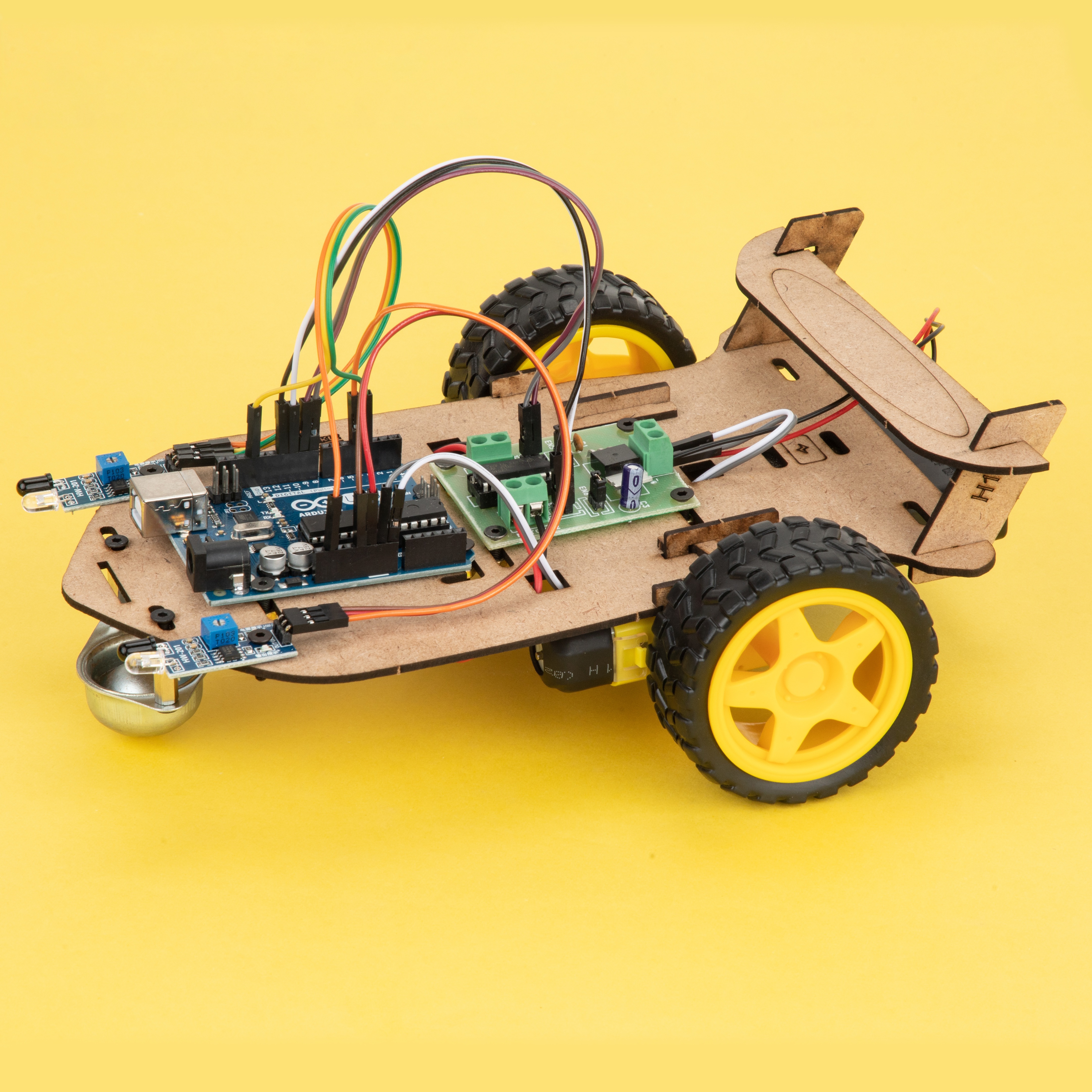
Can Southeast Asian factories produce electronic STEM toys and robotics?
Southeast Asian facilities are building these capabilities but aren't yet equivalent. For electronic STEM toys, consider a hybrid strategy that maintains some China production.
Partner with Play Trail for Your STEM Toy Sourcing
Play Trail is a toy sourcing specialist based in Vietnam, helping brands navigate Southeast Asian manufacturing with on-the-ground expertise, established factory relationships, and the cultural fluency that turns sourcing strategy into operational success.
Contact us now to discuss your sourcing strategy
At PLAY TRAIL, we specialize in delivering end-to-end design, supply chain and manufacturing solutions that are tailored to meet your unique business objectives in toys and toys packaging production in Vietnam and Southeast Asia.
Let us help you simplify your supply chain, improve operational efficiency, and build a sustainable future. Our hands-on team is here to provide expert guidance and actionable insights that drive tangible results for your business.
Get in Touch Today
Whether you need assistance with sourcing, logistics, or end-to-end supply chain management, we’re here to help.
Contact us today for a free quote to make the right, optimal decisions for your business growth.